Colombia is facing one of the world’s largest displacement crises. More than 7 million Colombians have been forced from their homes by conflict, while the country also hosts nearly 2.8 million Venezuelan refugees and migrants.
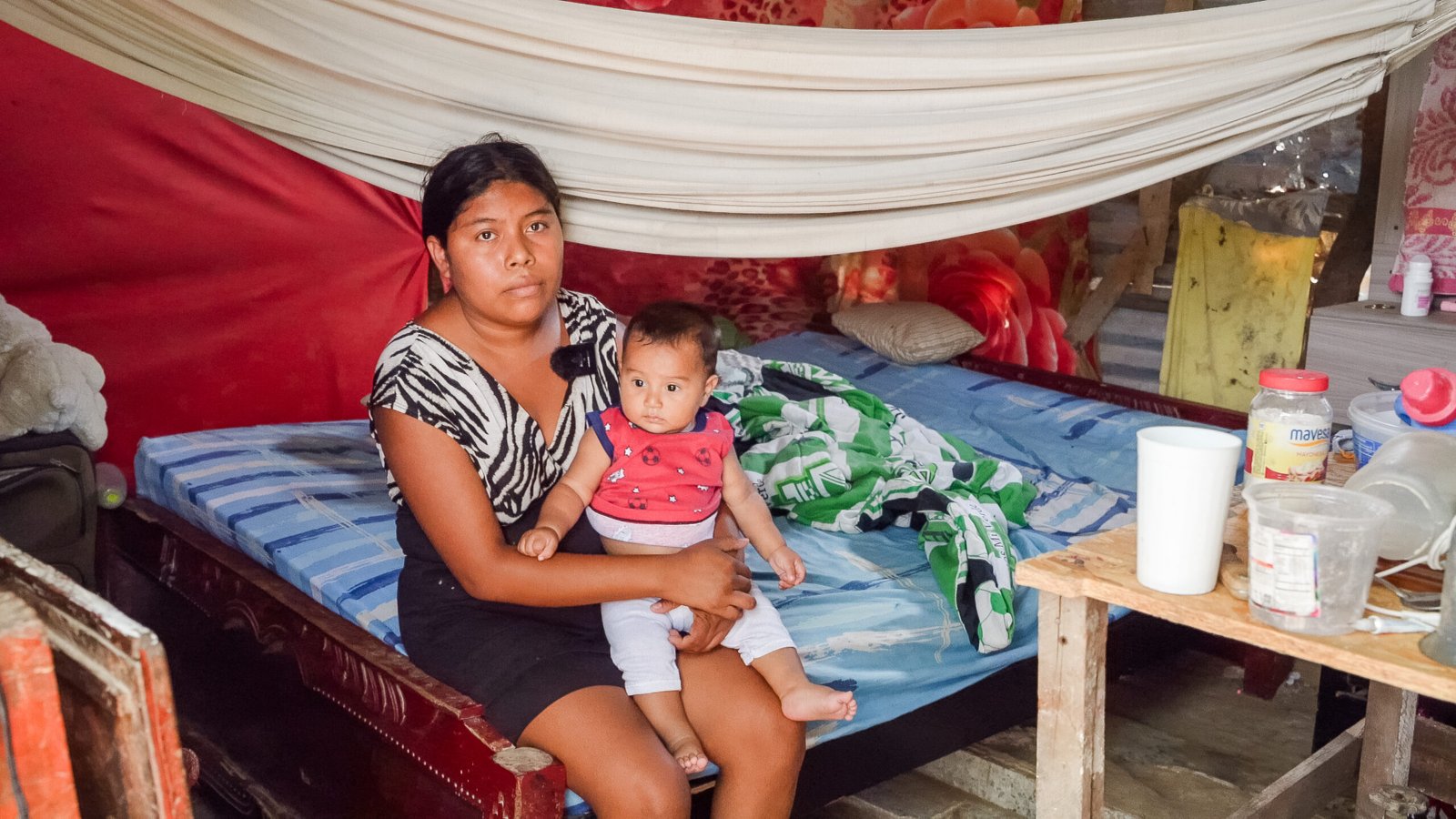
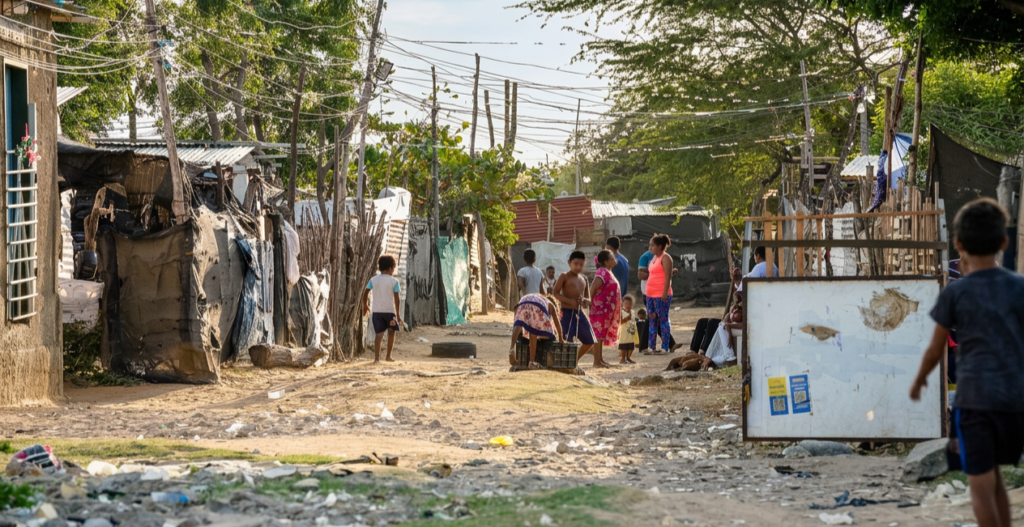
Many end up in places like La Pista, an abandoned airport runway in Maicao where over 1,200 families live in cardboard, tin, or other makeshift shelters. Most residents are Wayuu, Colombia’s largest Indigenous people, and roughly 70% of the population are children. Families struggle to survive, often earning just a few dollars on a good day. With no plumbing, they must buy water by the bucket, sacrifice meals every day, and endure flooding when it rains.
La Pista is part of a wider crisis in La Guajira, where the Wayuu have faced severe hunger and water shortages for more than a decade. Nearly 40% of the department lacks adequate nutrition, wells are dry or salty, and children continue to die from preventable hunger-related causes.
Meanwhile, international aid has collapsed. In early 2025, the United States froze and dismantled USAID, once Colombia’s largest humanitarian donor at roughly $400 million a year. Border clinics closed, NGOs cut staff, and food and health programs stopped. Local leaders told us they lost most of their life-sustaining aid overnight, with no exit plan in place.
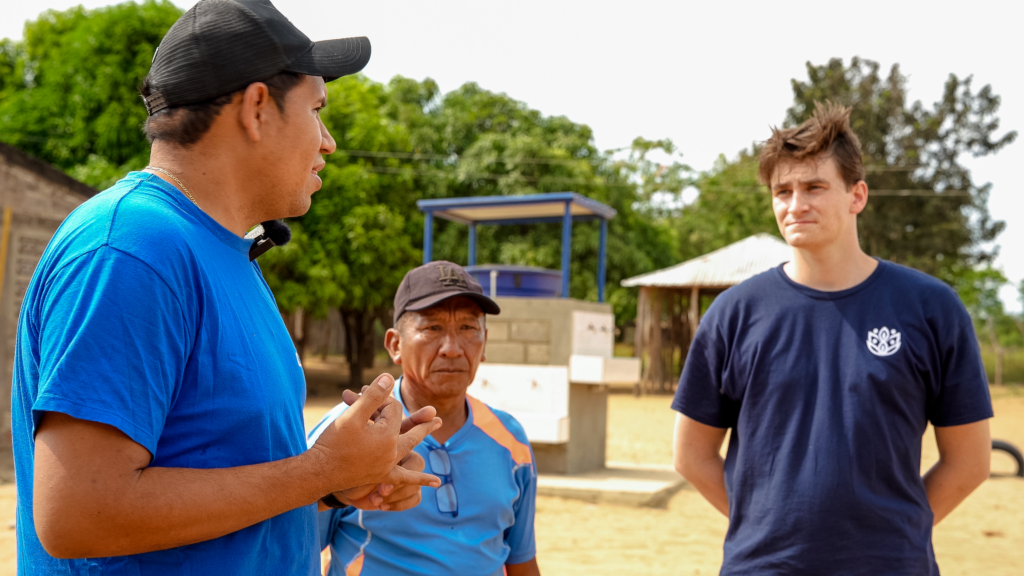
By partnering directly with local organizations, GAPs aims to:
- Restore access to food, clean water, and basic healthcare
- Strengthen community-led health and education
- Back recovery efforts that build long-term independence, not dependence
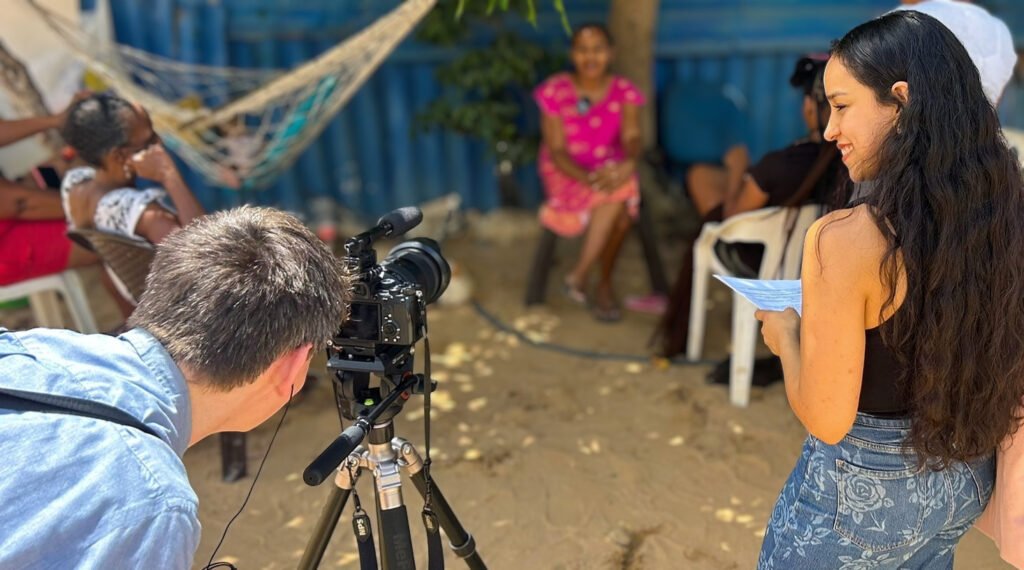
- Document and share these stories with the world
La Guajira is just the beginning. Our model is built to scale to other crisis regions where aid is needed most.